Give Thanks Christian Fall Pumpkin Spice
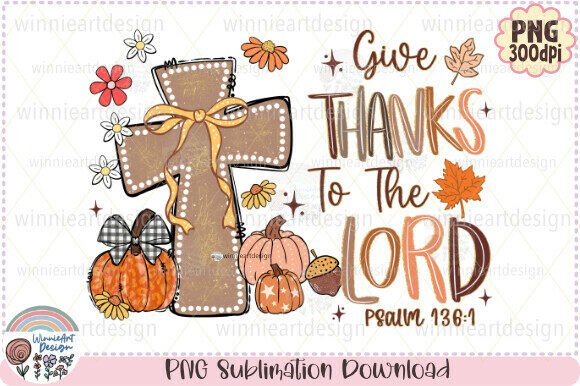
As a designer who’s stitched hundreds of seasonal designs for small shops, Etsy sellers, and custom gift clients, I opened Give Thanks Christian Fall Pumpkin Spice expecting warmth—and got something more nuanced. It’s not just autumnal; it’s quietly intentional. The composition centers on a softly rounded pumpkin with gentle vine swirls, flanked by “Give Thanks” in a warm, slightly rustic serif and “Christian Fall Pumpkin Spice” in smaller, balanced script below. No overt crosses or steeples—just reverence woven into the rhythm of the type and the organic flow of the foliage. That subtlety matters: it lands well on baby onesies and kitchen towels alike, without leaning too heavily on one aesthetic.
A Tote Bag Test: Where Mood Meets Stitching Reality
Last week, I prepped a limited run of canvas tote bags for a local church fall fair—hand-stitched patches were out of scope, so I needed clean, confident machine embroidery. I loaded Give Thanks Christian Fall Pumpkin Spice into my digitizing software as a reference PNG (not a native embroidery file, mind you—more on that in a moment) and mocked it up at 4.5 inches wide. At that scale, the pumpkin’s curves held up beautifully, and the letter spacing stayed legible. But the real test came when I stitched a sample on midweight natural canvas with tear-away stabilizer: the “Thanks” ligature softened just enough to feel handmade, not mechanical, and the vine tendrils didn’t vanish into fill stitch mush. Customers responded immediately—not to the message alone, but to how *considered* it looked. That’s the quiet power of this design: it reads as both heartfelt and professionally crafted.
Where It Shines (and Where It Asks for Care)
Give Thanks Christian Fall Pumpkin Spice works best where clarity, warmth, and gentle faith expression intersect:
- Custom apparel: Sweatshirts, crewnecks, and relaxed-fit tees—especially light heathers or oatmeals—let the pumpkin’s shape anchor the chest or sleeve without overwhelming.
- Baby embroidery: On organic cotton burp cloths or knit blankets, its soft edges and moderate detail avoid stiffness or bulk.
- Holiday gifts & boutique products: Think linen pillow covers, ceramic mug wraps (as printable mockups), or tea towels—items where customers pause, read, and smile.
- Etsy listings & craft fair merchandise: Its cohesive theme supports strong visual branding across product photos, social posts, and digital embroidery file previews.
But it’s not universally forgiving. Because it’s delivered as a high-res PNG—not an embroidery file—the translation to stitch requires attention:
- Small hoop sizes (<5" diameter): The full layout may need cropping or repositioning. Prioritize “Give Thanks” + pumpkin top if space is tight.
- Textured or stretchy fabric: Linen blends or lightweight knits demand extra stabilizer—those delicate vine lines can waver without firm backing.
- Dark fabric: The original PNG has no built-in shadow or outline. Add a subtle satin-stitch border in cream or gold thread to lift text from charcoal or navy.
- Curved surfaces (like caps): Avoid placing the full phrase across the front panel—letter distortion increases near the crown seam. Center the pumpkin only, or use just “Give Thanks” in arc format.
What This PNG Asks of You—Before You Stitch
This isn’t a plug-and-play embroidery file—it’s a digital embroidery file starting point. That means your workflow starts with digitizing (or hiring a digitizer). Here’s what I do every time:
- Test on scrap fabric first—same weight and weave as your final product—to assess how the pumpkin’s roundness holds under fill stitch density.
- Check thread color contrast on both light and dark backgrounds using physical spools, not screen previews.
- Review stitch density in the vine details and inner text curves—overly dense areas can pucker thin cotton; too sparse, and the “spice” script loses definition.
- Confirm hoop size compatibility before digitizing—some layouts require 6x10" hoops, which limits cap or pocket placement.
- Inspect small details at 200% zoom: Does the “G” in “Give” have clean entry/exit points? Are the pumpkin stem lines distinct enough for satin stitch?
- Test black-and-white mockups—many buyers preview embroidery in grayscale thumbnails; ensure hierarchy remains clear.
- Verify licensing before selling finished items or bundling as design assets—this PNG is for personal and commercial embroidery use, but resale of the file itself may be restricted.
Why It Builds Trust—Not Just Traffic
In my experience, designs like Give Thanks Christian Fall Pumpkin Spice succeed because they balance specificity with warmth. They don’t shout—they invite. When a customer sees it on a handmade apron at a farmers’ market, they sense care in the curve of the vine, not just copy-paste seasonality. That builds trust in your craft business. It also supports brand consistency: whether you’re an Etsy seller offering personalized baby embroidery or a boutique curating holiday kitchen towels, this design feels intentional—not trend-chasing. And because it avoids overused motifs (no cartoon pumpkins, no glitter fonts), it stands out in search results for “Christian fall embroidery” or “thankful tote bag design”—without sounding generic.
Final Thought: A Design That Serves the Project, Not the Algorithm
Many T-Shirt Designs and Graphics chase virality. Give Thanks Christian Fall Pumpkin Spice serves something quieter: the person stitching it, the hand holding the finished item, the quiet “ah” when someone recognizes both the season and the sentiment. It’s not flashy—but in handmade product markets, that restraint is often the strongest signal of quality. Use it thoughtfully, digitize with intention, and let the warmth speak for itself.